



In the world of sports, fitness is not just an option—it’s a lifestyle. Whether you’re a professional athlete or someone who enjoys weekend games, maintaining top physical condition directly influences your performance, endurance, and overall well-being. But true fitness goes beyond lifting weights or running laps. It’s about balance, discipline, and understanding how your body works. In this detailed guide, we’ll explore the top 10 fitness tips every sports lover should know, designed to help you train smarter, recover faster, and perform at your best.
Understanding the Importance of Fitness for Sports Performance
Every sport, from football to swimming, requires a unique combination of strength, agility, endurance, and flexibility. Fitness enhances these qualities by improving muscle function, cardiovascular health, and mental sharpness. A well-rounded fitness routine also reduces the risk of injuries, allowing athletes to sustain their passion for years. Let’s break down the key tips that can transform your training approach.
1. Warm Up Before Every Session
Starting your training or game without a proper warm-up is one of the biggest mistakes athletes make. Warming up increases your heart rate, improves blood circulation to muscles, and prepares your joints for movement. Simple dynamic stretches, light jogging, or mobility drills help activate the body and reduce stiffness. A good warm-up enhances your range of motion, allowing for smoother, more controlled movements throughout your workout or match.
2. Focus on Core Strength
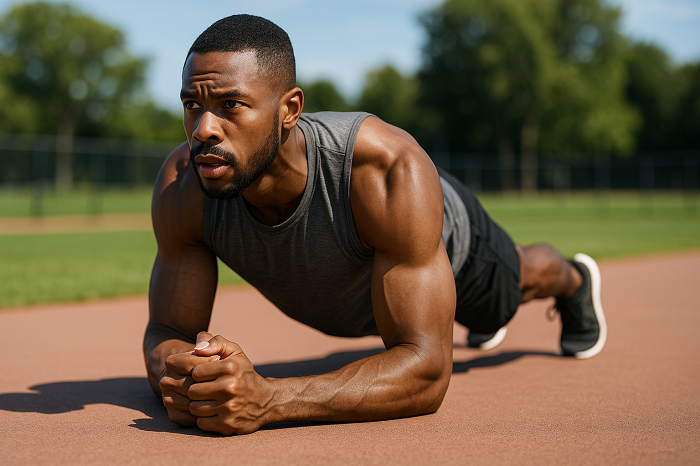
A strong core is the foundation of every athletic movement. Whether you’re sprinting, jumping, or throwing, your core muscles provide stability and balance. Engaging in exercises like planks, leg raises, and rotational movements can enhance your posture and help prevent back injuries. Core training also improves coordination between your upper and lower body, making your overall performance more efficient.
3. Maintain Proper Hydration
Hydration is often underestimated, yet it plays a critical role in sports performance. Water helps regulate body temperature, lubricate joints, and transport nutrients to cells. Even mild dehydration can lead to fatigue, dizziness, and a decline in concentration. Sports lovers should drink water consistently throughout the day, not just during workouts. For longer sessions or hot weather, replenishing with electrolytes can prevent muscle cramps and dehydration-related fatigue.
4. Prioritize a Balanced Diet
Nutrition fuels your training and recovery. A sports enthusiast should follow a balanced diet that includes lean proteins, complex carbohydrates, healthy fats, and a variety of fruits and vegetables. Proteins help rebuild muscle tissue, carbs provide energy, and fats support hormone production. Avoid processed foods and focus on whole, nutrient-rich meals. Timing your meals—such as having a pre-workout snack and a post-training recovery meal—can also make a significant difference in performance and recovery speed.
5. Rest and Recovery Are Non-Negotiable
Many sports lovers believe that training harder equals better results, but the truth is that rest is just as important as exercise. Recovery allows your muscles to repair and grow stronger. Without enough rest, you risk overtraining, which can lead to injuries, fatigue, and reduced motivation. Incorporating rest days, proper sleep, and relaxation techniques like yoga or stretching can enhance performance in the long run. Remember, your body grows and heals when you rest, not when you train endlessly.
6. Consistency Over Intensity
Sustainable progress in fitness doesn’t come from a single intense session—it comes from consistent effort over time. Setting realistic goals and sticking to a routine helps your body adapt and improve gradually. Whether it’s daily running, regular strength training, or scheduled yoga, maintaining consistency builds endurance and discipline. Over time, this consistency shapes both your body and your mindset for peak performance.
7. Mix Up Your Training Routine
Doing the same workout every day can lead to stagnation and boredom. Mixing up your exercises keeps your body challenged and prevents plateaus. Try combining strength training, cardiovascular workouts, flexibility exercises, and sport-specific drills. Cross-training also improves overall athletic performance by engaging different muscle groups, reducing the risk of repetitive strain injuries, and making workouts more enjoyable.
8. Listen to Your Body
Your body is the best guide when it comes to fitness. If you experience pain, extreme fatigue, or discomfort, it’s important to slow down or rest. Ignoring warning signs can lead to long-term injuries that might take weeks or even months to heal. Paying attention to how your body feels helps you train smarter and stay healthy. Recovery tools like foam rollers, massage therapy, and adequate sleep can help in managing soreness and enhancing flexibility.
9. Include Mental Fitness in Your Routine
Sports are as much a mental challenge as they are a physical one. Developing mental strength improves focus, confidence, and resilience—key qualities for success in any sport. Techniques such as visualization, mindfulness, and positive self-talk can enhance performance and help athletes stay composed under pressure. A calm, focused mind can make the difference between winning and losing, especially in high-stress moments.
10. Set Goals and Track Progress
Goal setting gives direction to your fitness journey. Whether it’s improving your running time, lifting heavier weights, or increasing flexibility, having measurable goals keeps you motivated. Tracking progress through a journal, fitness app, or regular performance assessments helps you stay accountable. When you see tangible improvements, it boosts your confidence and encourages you to push further.
Bringing It All Together
Achieving peak fitness as a sports lover requires more than just physical strength—it’s about smart habits, discipline, and balance. By following these ten essential tips, you’ll be able to train effectively, reduce injuries, and enjoy your sport for years to come. Remember, true athletic success is built on consistency, recovery, and the willingness to learn and adapt.
If you’re passionate about sports and want to elevate your game, start by applying these principles today. Build a routine that fits your goals, fuel your body with nutritious food, and never underestimate the power of rest and mental focus. The journey toward athletic excellence begins with small, consistent steps—and every workout brings you closer to becoming the best version of yourself.
Conclusion
Your fitness journey is a personal marathon, not a sprint. Stay consistent, listen to your body, and keep evolving. For more tips and insights on improving your sports performance, explore our other guides in the Sports category and stay ahead of the game.
Frequently Asked Questions (FAQs)
Q1. How many rest days should I take each week?
Answer. Most athletes benefit from one or two rest days per week, depending on the intensity of their training. Rest allows your muscles to recover and reduces the risk of overtraining.
Q2. What is the best diet for sports lovers?
Answer. A balanced diet rich in lean proteins, complex carbohydrates, healthy fats, and colorful vegetables supports energy, recovery, and performance. Tailor your meals based on your sport and activity level.
Q3. How important is sleep for athletes?
Answer. Sleep is crucial for muscle repair, hormone regulation, and mental focus. Athletes should aim for 7 to 9 hours of quality sleep every night to optimize performance and recovery.
Q4. Can I train every day without rest?
Answer. Training every day without rest can lead to fatigue and injuries. Incorporating active recovery or lighter sessions can help maintain progress while allowing the body to heal.
Q5. How can I stay motivated in my fitness journey?
Answer. Setting achievable goals, tracking progress, joining a community, and celebrating small wins are great ways to stay motivated and consistent with your fitness routine.



Comments are closed