



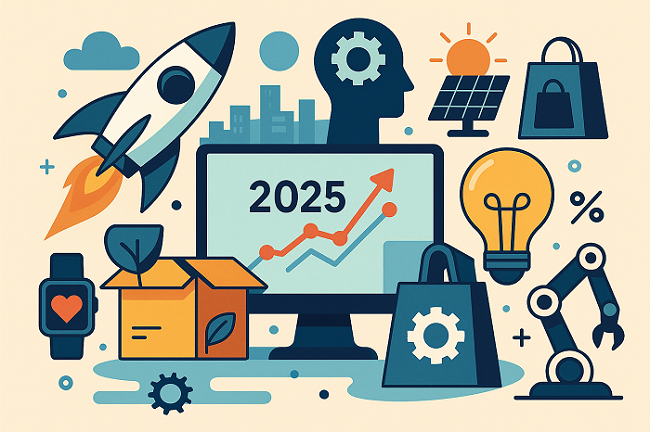
Starting a business in 2025 is one of the most exciting opportunities of our time. With technology evolving rapidly, consumer habits shifting toward sustainability and digital convenience, and a growing demand for personalized services, the startup ecosystem has never been more promising. Whether you’re an aspiring entrepreneur or a seasoned business mind seeking a fresh venture, this year brings plenty of innovative and profitable startup ideas. The key lies in finding the right blend of technology, market demand, and creativity. In this article, we’ll explore the top 10 startup ideas to start in 2025 that are not only trending but also sustainable and scalable for long-term success.
1. AI-Powered Content Creation Services
In 2025, artificial intelligence continues to transform the digital marketing landscape. Businesses need content faster and smarter, and AI-powered content creation startups are stepping in to meet that demand. From AI-driven copywriting tools to automated video generation platforms, entrepreneurs can launch startups that help brands produce high-quality content efficiently. Combining AI tools with human creativity ensures originality and authenticity — two traits modern audiences value. This industry offers enormous growth potential, especially for startups that provide niche-specific AI content solutions such as e-commerce product descriptions or SEO-optimized blogs.
2. Sustainable Packaging Solutions
With global attention on reducing plastic waste and improving eco-friendly practices, sustainable packaging is becoming essential for every business. Launching a startup that creates biodegradable, compostable, or reusable packaging can be both profitable and socially impactful. In 2025, small and medium-sized businesses are actively seeking affordable green packaging options to meet customer expectations and government regulations. Entrepreneurs who can offer innovative designs or cost-efficient alternatives will have a competitive advantage. Partnering with e-commerce companies and food brands can create steady growth opportunities.
3. Remote Work Consultancy and Tools
The remote work trend that started in the early 2020s is here to stay. In 2025, organizations are still refining how to manage remote teams effectively. A startup that provides remote work consultancy — helping businesses adopt hybrid models, implement virtual collaboration tools, or improve productivity — can see strong demand. Additionally, developing tools that address remote team challenges such as virtual onboarding, digital workspaces, and employee engagement tracking can be highly lucrative. Entrepreneurs with HR, management, or software backgrounds will find this niche particularly rewarding.
4. Personalized Health and Fitness Platforms
Health and wellness remain top priorities for people worldwide, and in 2025, personalization is the new standard. Startups that use AI, wearable data, and digital platforms to deliver tailored health and fitness solutions are thriving. Imagine an app that uses smart data to create custom workout plans, monitor nutrition, and track sleep — all while integrating with devices like smartwatches and fitness trackers. This field also opens opportunities for online fitness coaches, mental wellness platforms, and nutrition consulting startups. As people continue to value convenience and customization, health-focused tech startups will continue to dominate.
5. Green Energy Solutions for Homes
Sustainability is shaping how we live and work, and green energy startups are leading this transformation. Entrepreneurs can explore solar panel installations, smart home energy management systems, or even portable renewable energy products. In 2025, home energy efficiency is a major consumer focus, and governments are offering incentives to adopt green solutions. A startup that makes renewable energy affordable and accessible — especially in developing regions — has a massive opportunity for impact and profit.
6. Virtual Event Planning and Management
The event industry has evolved dramatically since the rise of virtual and hybrid events. In 2025, businesses, educators, and influencers all rely on professional virtual event planners to deliver seamless online experiences. Starting a company that specializes in hosting, streaming, and managing these events can be highly profitable. By combining event management expertise with modern technology platforms, startups can cater to a wide range of industries, from corporate conferences to virtual trade shows. Offering added features like event analytics or audience engagement tools can further differentiate the brand.
7. Smart Home Automation Services
Smart home technology is no longer futuristic — it’s mainstream. However, many consumers struggle to integrate and manage these technologies effectively. Launching a startup that provides smart home installation, automation consulting, and maintenance services can fill this growing gap. Startups can specialize in integrating security systems, energy-saving devices, voice assistants, and home entertainment technologies. As cities get smarter, this niche offers a steady customer base among homeowners seeking convenience, safety, and efficiency.
8. Digital Learning and Skill Development Platforms
Education is rapidly shifting toward digital-first learning, and in 2025, online skill development is at its peak. Startups that provide accessible, affordable, and interactive learning platforms are in high demand. Whether it’s coding bootcamps, language learning platforms, or professional certification courses, there’s an audience for every niche. Entrepreneurs can enhance engagement with AI tutors, gamification, and micro-learning modules. As industries evolve, the need for upskilling and reskilling ensures this market will keep growing for years to come.
9. Sustainable Fashion Brands
Consumers are increasingly conscious of the environmental impact of fast fashion. In 2025, sustainable fashion startups are capturing attention by using recycled materials, ethical manufacturing, and transparent supply chains. Building a brand that aligns with eco-friendly values can appeal to a wide audience — particularly Gen Z and Millennials. Digital-first fashion brands that combine sustainability with style can quickly gain traction through social media marketing and influencer collaborations.
10. Localized E-Commerce Platforms
While global e-commerce giants dominate the market, localized online shopping experiences are gaining momentum. Launching an e-commerce platform that supports small local sellers, handmade product creators, or region-specific categories can attract a loyal customer base. In 2025, consumers appreciate supporting local businesses while enjoying the convenience of online shopping. Integrating digital payment systems, AI-based product recommendations, and same-day delivery can make a local e-commerce startup stand out in a crowded market.
Conclusion
The business landscape in 2025 rewards innovation, sustainability, and digital transformation. Each of these startup ideas reflects key market trends — from AI and green energy to health and e-learning — offering entrepreneurs immense opportunities for growth. Success depends on understanding your audience, leveraging technology effectively, and delivering genuine value. Whether you choose to build an AI-driven service or a sustainable brand, the future of entrepreneurship is bright for those who dare to create, adapt, and lead.
Frequently Asked Questions
Q1. What is the best startup to start in 2025?
Answer. The best startup depends on your interests and expertise, but AI-based services, sustainable solutions, and online education platforms are among the top opportunities.
Q2. How can I fund my startup idea in 2025?
Answer. You can seek funding from angel investors, venture capitalists, crowdfunding platforms, or government startup grants, depending on your business type and location.
Q3. Which startup industries will grow the fastest in 2025?
Answer. Technology, sustainability, digital learning, and health tech are projected to see the fastest growth due to rising consumer demand and global innovation.
Q4. Are online-based startups still profitable in 2025?
Answer. Yes, online-based startups continue to thrive as consumers increasingly prefer digital-first experiences across shopping, education, and services.
Q5. How do I make my startup stand out from competitors?
Answer. Focus on solving real-world problems, offering personalized experiences, building a strong brand identity, and using data-driven strategies for marketing and growth.






Comments are closed