



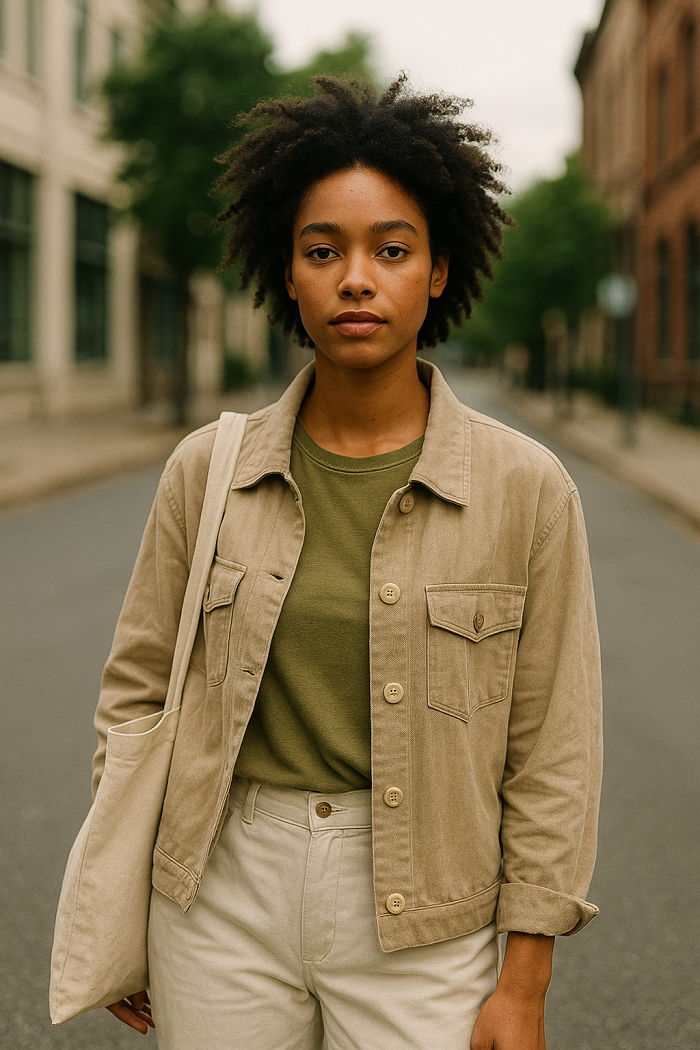
The global fashion industry is undergoing a powerful transformation as consumers demand more accountability and transparency from brands. Fast fashion is being replaced by thoughtful, eco-friendly alternatives that prioritize ethical production, recycled materials, and responsible consumption. In 2025, sustainable fashion is no longer a niche trend but a defining movement reshaping wardrobes and mindsets. Whether you’re a style enthusiast or someone trying to make more planet-friendly choices, knowing which brands are truly making a difference is essential. Here’s a comprehensive look at the top 10 sustainable fashion brands that are setting new standards for the future of fashion.
1. Patagonia – Pioneering Ethical Outdoor Wear
Patagonia has long been recognized as a trailblazer in the sustainability movement. Founded on the principle of “doing no unnecessary harm,” the brand continues to lead the way in 2025 with its commitment to repairing and recycling clothes through the Worn Wear program. Patagonia uses organic cotton, recycled polyester, and Fair Trade Certified factories, ensuring workers are paid fairly. What makes the brand exceptional is its transparency—consumers can trace the supply chain of each product. From adventure-ready outerwear to casual everyday clothing, Patagonia proves that sustainability and durability can coexist beautifully.
2. Reformation – Chic, Feminine, and Environmentally Smart
Reformation has mastered the art of combining effortless style with sustainability. Known for its timeless silhouettes and modern aesthetics, Reformation’s 2025 collections are crafted using renewable fabrics like Tencel, recycled nylon, and organic cotton. The brand also measures the environmental impact of each piece—tracking water usage, carbon footprint, and waste reduction—allowing shoppers to make informed decisions. Its Los Angeles-based factories operate on renewable energy, emphasizing local production and fair wages. Reformation continues to inspire the modern woman to embrace fashion that’s both ethical and elegant.
3. Stella McCartney – Luxury Meets Conscious Design
A household name in luxury fashion, Stella McCartney remains at the forefront of sustainable innovation in 2025. The designer’s brand consistently avoids animal products, opting for vegan leather, regenerated cashmere, and eco-friendly viscose. Stella McCartney also invests heavily in bio-based materials and circular fashion technologies, including lab-grown textiles. Her 2025 line features bold, contemporary designs that challenge traditional fashion norms without compromising sustainability. By blending high fashion with environmental ethics, Stella McCartney exemplifies what luxury can look like in a responsible future.
4. Pangaia – Science-Driven Sustainability
Pangaia continues to revolutionize the fashion landscape by merging science and sustainability. Each product is born out of innovation, using materials like seaweed fiber, organic cotton, and recycled wool. The brand’s use of natural dyes and plant-based packaging sets new industry benchmarks. In 2025, Pangaia’s research into carbon-neutral fabrics and biodegradable technology stands as a testament to its mission of creating a sustainable future for fashion. Its minimalist designs appeal to both comfort seekers and eco-conscious trendsetters, making it a favorite among those who value purpose-driven fashion.
5. Everlane – Radical Transparency in Every Stitch
Everlane’s commitment to “radical transparency” remains unmatched in 2025. The brand discloses every detail about its production process, from factory conditions to material sourcing. By focusing on timeless basics—such as denim, T-shirts, and sweaters—Everlane encourages long-term wardrobe building rather than fast fashion consumption. Its materials include organic cotton, recycled polyester, and ethical wool. In recent years, Everlane has expanded its ReNew collection, featuring outerwear made entirely from recycled plastic bottles. This brand proves that stylish minimalism and sustainability go hand in hand.
6. Eileen Fisher – Timeless Elegance with a Circular Vision
Eileen Fisher has been a pioneer in circular fashion for decades. In 2025, the brand continues to champion slow fashion through its Renew and Waste No More programs, where old garments are repurposed into new designs. Eileen Fisher focuses on simplicity, comfort, and high-quality materials like organic linen and regenerative wool. Her brand embodies the principle that true style never goes out of fashion—it evolves responsibly. Ideal for those who prefer understated luxury, Eileen Fisher shows how timeless design can help minimize waste.
7. Girlfriend Collective – Sustainable Activewear for All Bodies
Girlfriend Collective has made activewear that’s both inclusive and eco-friendly a global movement. The brand uses recycled materials like post-consumer plastic bottles and fishing nets to create high-performance leggings, bras, and outerwear. Its ethical production process ensures fair labor practices and minimal waste. In 2025, the brand’s new biodegradable collection demonstrates its ongoing commitment to innovation. Girlfriend Collective’s emphasis on size inclusivity and environmental transparency makes it a standout in the sustainable activewear market.
8. People Tree – Fair Trade Fashion with Global Impact
People Tree has been at the heart of ethical fashion for over three decades and continues to set the bar high in 2025. The brand works directly with Fair Trade artisans around the world, ensuring community empowerment and sustainable income. Each garment is made using organic cotton, handwoven fabrics, and low-impact dyes. People Tree’s bohemian-inspired designs and hand-printed dresses reflect the beauty of slow craftsmanship. The brand remains proof that ethical fashion can be both stylish and socially responsible.
9. Thought Clothing – Mindful Materials, Effortless Style
Thought Clothing champions mindfulness in every stitch. Known for its soft bamboo fabrics, organic cotton, and hemp blends, the brand’s 2025 collection embraces versatile, comfortable designs perfect for everyday wear. Thought’s dedication to plastic-free packaging and natural dyes further reinforces its sustainability goals. The brand also emphasizes small-batch production to reduce overconsumption, proving that quality fashion can exist without harming the planet.
10. Veja – Eco-Conscious Footwear Revolution
Veja has transformed the sneaker industry by prioritizing transparency, ethical sourcing, and organic materials. The brand’s sneakers are crafted from wild Amazonian rubber, recycled plastic bottles, and vegetable-tanned leather. In 2025, Veja continues to innovate by introducing fully recyclable shoe soles and expanding its vegan line. The brand’s popularity among celebrities and sustainable influencers highlights how conscious design can still deliver high-end style. With Veja, every step you take supports environmental preservation and fair labor practices.
The Future of Sustainable Fashion
Sustainable fashion is more than just a buzzword—it’s a movement toward mindful consumption and long-term change. The brands leading this revolution are redefining how clothes are designed, made, and consumed. By choosing to support these sustainable fashion brands in 2025, consumers contribute to a cleaner environment, fairer labor systems, and a more ethical future for the industry. As more people embrace eco-friendly lifestyles, sustainability will continue to evolve from a fashion statement into a global necessity.
Conclusion
In 2025, sustainable fashion is shaping a new era where ethics and aesthetics coexist seamlessly. Brands like Patagonia, Stella McCartney, and Veja prove that innovation and integrity can redefine what fashion stands for. As consumers, supporting these conscious labels is more than a style choice—it’s a vote for a cleaner, fairer, and more sustainable world. When you choose sustainability, you’re not just wearing fashion, you’re wearing change.
Frequently Asked Questions (FAQs)
Q1. What makes a fashion brand sustainable?
Answer. A sustainable brand focuses on minimizing environmental impact through eco-friendly materials, ethical labor practices, and responsible production methods. It also emphasizes durability and transparency.
Q2. Are sustainable fashion brands more expensive?
Answer. While some sustainable brands may cost more upfront, they often provide higher quality, longer-lasting garments. Over time, this reduces waste and the need for frequent replacements.
Q3. How can I identify truly sustainable brands?
Answer. Look for certifications like Fair Trade, GOTS (Global Organic Textile Standard), and B Corp. Brands that share detailed information about their sourcing, materials, and labor conditions are generally more trustworthy.
Q4. Why is sustainable fashion important?
Answer. The fashion industry is one of the largest polluters in the world. Sustainable fashion reduces carbon emissions, conserves resources, and promotes ethical treatment of workers.
Q5. What are the best ways to support sustainable fashion?
Answer. Buy from ethical brands, choose quality over quantity, recycle or donate old clothes, and learn to repair garments to extend their life cycle.


Comments are closed