



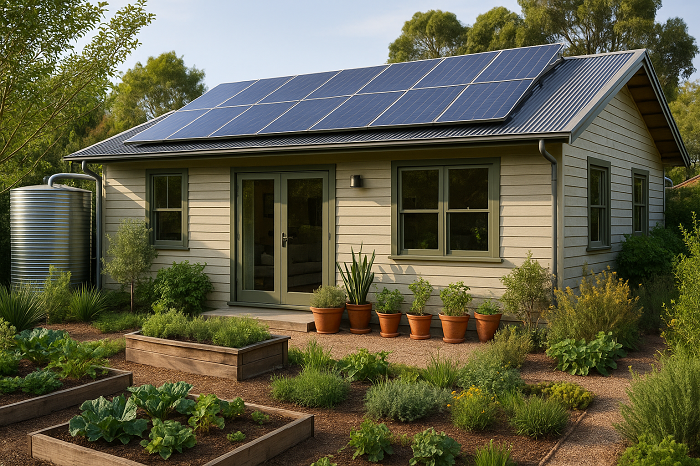
Living sustainably is no longer just a trend, it is a conscious lifestyle choice that helps protect the planet and create a healthier living environment for future generations. Sustainable living revolves around reducing waste, conserving energy, and using resources efficiently to minimize one’s environmental footprint. In today’s world, where climate change and pollution are pressing concerns, building an eco-friendly home is one of the most impactful ways individuals can contribute. Whether you live in an apartment or a spacious house, there are countless ways to make your home greener and more energy efficient. Here are the top 10 sustainable living ideas for eco-friendly homes that can transform your space into an environmentally responsible haven.
1. Choose Energy-Efficient Lighting and Appliances
Switching to energy-efficient lighting and appliances is one of the easiest ways to make your home sustainable. Traditional incandescent bulbs consume more electricity and have shorter lifespans, while LED bulbs use less energy and last significantly longer. Similarly, opting for appliances with a high Energy Star rating can reduce energy consumption without compromising performance. From refrigerators and washing machines to air conditioners, every energy-efficient choice helps lower electricity bills and greenhouse gas emissions.
2. Install Solar Panels for Clean Energy
Solar energy is one of the most powerful tools for sustainable living. By installing solar panels, homeowners can generate clean, renewable electricity directly from the sun. Although the initial investment may seem high, solar systems significantly reduce energy bills in the long run and often qualify for tax incentives or rebates. Modern solar technologies are more efficient and affordable than ever, making it a practical option for eco-conscious households. With solar power, you can enjoy energy independence while reducing reliance on fossil fuels.
3. Practice Water Conservation Every Day
Water is a precious resource that should never be taken for granted. Adopting simple habits like fixing leaks, installing low-flow faucets and showerheads, and using dual-flush toilets can dramatically cut down water waste. Collecting rainwater through barrels and using it for gardening or cleaning can further support conservation. Additionally, landscaping your garden with native or drought-resistant plants reduces water consumption while maintaining natural beauty. Smart water usage not only protects the environment but also lowers utility costs.
4. Use Sustainable Building Materials
When constructing or renovating a home, the materials you choose play a crucial role in sustainability. Opting for eco-friendly materials such as bamboo, reclaimed wood, recycled metal, and natural stone reduces the demand for new resources. These materials are durable, aesthetically pleasing, and often carry a lower carbon footprint compared to traditional options. Using non-toxic paints and finishes can also improve indoor air quality, creating a healthier living environment for your family.
5. Improve Home Insulation and Natural Ventilation
A well-insulated home conserves energy by keeping interiors warm in winter and cool in summer. Proper insulation in walls, roofs, and floors minimizes the need for heating and cooling systems, significantly cutting energy consumption. Similarly, designing your space for better natural ventilation reduces dependency on air conditioners. Strategically placed windows, ventilators, and open layouts can promote airflow and natural lighting, making your home more comfortable and sustainable year-round.
6. Embrace a Minimalist and Waste-Free Lifestyle
Minimalism goes hand in hand with sustainability. By choosing quality over quantity and avoiding unnecessary purchases, you can reduce waste and clutter in your home. Reusing, recycling, and composting are also essential aspects of a zero-waste lifestyle. Composting organic waste not only reduces landfill burden but also produces nutrient-rich soil for plants. When shopping, favor products with minimal packaging and sustainable materials, and support brands that prioritize eco-friendly practices.
7. Grow Your Own Food at Home
Creating a small kitchen garden or backyard vegetable patch is an excellent way to live sustainably. Growing your own herbs, fruits, and vegetables reduces your dependence on store-bought produce, which often involves long-distance transportation and plastic packaging. Even if you live in a city apartment, container gardening or vertical gardens can be great alternatives. Gardening connects you to nature, promotes healthy eating, and helps lower your carbon footprint.
8. Switch to Eco-Friendly Cleaning Products
Many household cleaning products contain harsh chemicals that can pollute the air and water. Choosing eco-friendly cleaning solutions made from natural ingredients like vinegar, baking soda, and lemon not only keeps your home clean but also protects your family’s health and the environment. There are now many green cleaning brands available that use biodegradable packaging and plant-based formulas, offering safe and sustainable cleaning options for every household.
9. Incorporate Smart Home Technology
Technology can play a key role in sustainable living when used wisely. Smart thermostats, motion-sensor lights, and energy-monitoring devices help optimize resource use and minimize waste. For example, smart thermostats can automatically adjust temperature settings based on your schedule, reducing unnecessary energy use. Similarly, motion sensors and timers can ensure lights and appliances turn off when not needed. These technologies not only make life more convenient but also enhance energy efficiency.
10. Recycle, Repurpose, and Upcycle
Recycling and upcycling are core practices of sustainability. Instead of discarding old items, find creative ways to give them a new life. Old furniture can be refurbished, glass jars can be turned into storage containers, and unused textiles can be transformed into home décor. Proper recycling of plastics, metals, and paper ensures that waste materials are processed responsibly and reused effectively. Making recycling part of your daily routine helps reduce landfill waste and conserve natural resources.
Conclusion
Living sustainably begins at home. By adopting these top 10 sustainable living ideas, you can create an eco-friendly home that not only supports the environment but also enhances your quality of life. Every small change, from choosing energy-efficient appliances to growing your own food, contributes to a healthier planet. Sustainable living is not about perfection but progress, and even simple efforts can make a big difference. Start today, inspire others, and be part of the global movement toward a greener, cleaner future.
Frequently Asked Questions (FAQs)
Q1. What is the meaning of sustainable living?
Answer. Sustainable living means adopting habits and practices that reduce environmental impact. It involves conserving energy, minimizing waste, and using resources responsibly to ensure long-term ecological balance.
Q2. How can I make my home more eco-friendly on a budget?
Answer. You can start by switching to LED lighting, using natural cleaning products, reducing water waste, and recycling materials. Small, consistent changes often lead to significant environmental benefits without requiring large investments.
Q3. Are solar panels worth installing for a small home?
Answer. Yes, solar panels can be beneficial even for small homes. They reduce energy costs, lower carbon emissions, and can sometimes generate surplus electricity that can be sold back to the grid.
Q4. What materials are best for sustainable home construction?
Answer. Bamboo, reclaimed wood, recycled steel, cork, and stone are excellent choices. They are durable, renewable, and have a lower environmental footprint compared to conventional materials.
Q5. Why is water conservation important in sustainable living?
Answer. Water conservation helps preserve one of Earth’s most vital resources. Efficient water use supports ecosystems, reduces energy required for water treatment, and ensures availability for future generations.



Comments are closed