



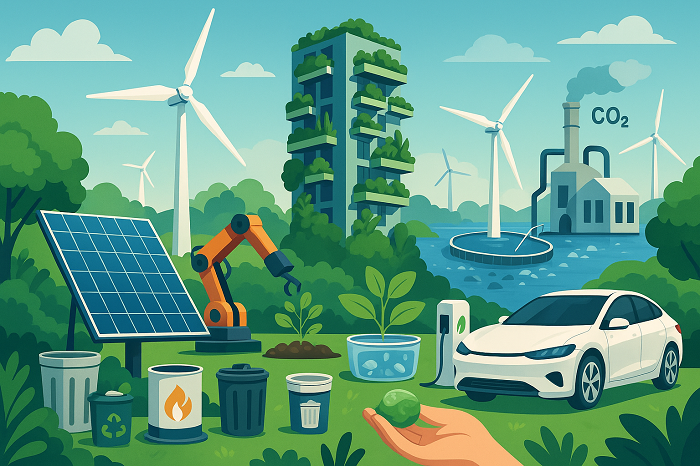
In an age when climate change, pollution, and resource depletion dominate global discussions, technology has emerged as one of the planet’s most powerful allies. From smart energy solutions to sustainable innovations, green technology is shaping a cleaner and more responsible future. The idea of green tech is not just about innovation but about using human creativity to repair and protect the environment while promoting long-term sustainability. Let’s explore ten groundbreaking green tech ideas that are transforming the way we live, work, and protect the planet.
1. Solar Energy Advancements: Powering the World with the Sun
Solar power continues to lead the renewable energy revolution, but the technology has evolved far beyond rooftop panels. Today, ultra-efficient solar cells, transparent solar windows, and solar roof tiles are making clean energy more accessible and affordable. Companies are developing perovskite solar cells that can convert sunlight into electricity at record efficiency levels, reducing dependency on fossil fuels. In developing regions, portable solar generators and community solar farms are empowering off-grid living, bringing light and opportunity to millions while reducing carbon emissions.
2. Wind Energy Innovations: Harnessing Nature’s Infinite Power
Wind power has become a cornerstone of global renewable energy production. Modern turbines are now more compact, quiet, and efficient than ever before. Floating wind farms, like those off the coasts of Norway and Scotland, allow power generation in deep ocean waters where wind speeds are higher. Vertical-axis wind turbines are also emerging as urban-friendly solutions, designed to operate in cities with minimal noise. These innovations are helping nations transition away from fossil fuels, making wind energy a sustainable backbone of tomorrow’s power grids.
3. Electric Vehicles and Battery Evolution: Driving Toward a Cleaner Future
The electric vehicle (EV) revolution is one of the most visible symbols of green technology. With advancements in battery chemistry and charging infrastructure, EVs are now more practical, affordable, and efficient than ever. Solid-state batteries are being developed to increase driving range and reduce charging time, while second-life battery recycling is turning old EV batteries into new energy storage systems. Combined with renewable energy charging networks, electric mobility is rapidly reducing the transportation sector’s environmental footprint and paving the way for a zero-emission future.
4. Smart Grids: The Digital Backbone of Sustainable Energy
Smart grids are transforming the way energy is distributed and consumed. By using artificial intelligence, sensors, and data analytics, these systems can automatically balance supply and demand, detect outages, and reduce energy waste. They allow households and businesses to feed surplus solar or wind energy back into the grid, supporting a more decentralized and resilient power infrastructure. Smart grids are not only efficient but also critical in supporting the world’s transition to 100% renewable power.
5. Sustainable Agriculture: Farming with Technology and Care
Agriculture is both a vital and resource-intensive industry, but green technology is making it more sustainable. Vertical farming, hydroponics, and AI-powered precision agriculture are reducing water usage and land degradation. Drones and sensors help farmers monitor soil health and crop conditions in real-time, minimizing chemical usage and maximizing yield. These innovations allow farmers to produce more food using fewer natural resources, contributing to food security while preserving the planet’s ecosystems.
6. Green Building Technologies: Designing the Cities of Tomorrow
Modern architecture is being reimagined with sustainability in mind. Green buildings use energy-efficient materials, smart lighting, and climate control systems to reduce their environmental impact. Innovations like self-healing concrete, solar glass, and bio-based insulation are transforming the construction industry. Many cities are also adopting green roofs and vertical gardens that absorb carbon dioxide, improve air quality, and support biodiversity. These smart, sustainable buildings are setting the standard for eco-conscious urban development.
7. Ocean Cleanup and Water Purification Technologies
The planet’s water bodies are under immense threat from pollution, plastic waste, and industrial runoff. Green technologies are offering hope through automated cleanup systems like The Ocean Cleanup Project, which uses large floating barriers to collect plastic debris from oceans and rivers. Advanced water purification systems using graphene filters and solar-powered desalination units are also emerging, providing clean drinking water in regions suffering from scarcity. These innovations are not only saving marine life but ensuring that clean water remains a global right.
8. Waste-to-Energy Systems: Turning Trash into Treasure
Landfills are a growing environmental problem, but modern waste-to-energy systems are converting garbage into usable power. Through advanced incineration, gasification, and anaerobic digestion, organic and non-recyclable waste is transformed into electricity or biofuel. This approach reduces landfill volume, cuts greenhouse gas emissions, and creates a circular economy where waste becomes a valuable resource. Many smart cities are already integrating waste-to-energy plants into their sustainability strategies to achieve net-zero goals.
9. Carbon Capture and Storage (CCS): Cleaning the Air We Breathe
Carbon capture technology is one of the most promising solutions for reducing atmospheric CO₂ levels. These systems capture carbon emissions directly from industrial processes or even from the air, storing them safely underground or reusing them to make materials like concrete or fuel. Direct air capture (DAC) facilities are gaining global attention as governments and corporations strive to reach net-zero emissions. Although still developing, CCS represents a crucial step toward reversing climate damage and balancing global carbon levels.
10. Biodegradable and Recycled Materials: Ending the Plastic Era
Plastic pollution remains a major environmental challenge, but green tech innovators are tackling it head-on with biodegradable alternatives made from plants, algae, and even food waste. Companies are producing packaging from compostable bioplastics and recycled ocean plastic, drastically reducing landfill waste. Additionally, innovations in recycling technology, such as chemical recycling and AI-based sorting, are increasing the efficiency of waste recovery systems. These efforts are creating a sustainable materials cycle that aligns with circular economy principles.
Conclusion: Technology as a Force for Environmental Good
Green technology is not just a trend but a necessity for the survival and prosperity of our planet. The innovations we’ve explored prove that with creativity, collaboration, and commitment, technology can lead the way toward a sustainable future. From renewable energy to eco-friendly materials, each of these ideas contributes to a larger mission — restoring balance to our environment while improving human life. As individuals, businesses, and governments embrace these advancements, the dream of a cleaner, greener Earth becomes an achievable reality.
If you are inspired by these innovations, explore renewable solutions for your home, invest in sustainable products, or support eco-conscious companies. Every step matters in the journey to protect our planet for future generations.
Frequently Asked Questions About Green Tech Ideas That Are Saving the Planet
Q1. What is green technology?
Answer. Green technology refers to innovations designed to reduce environmental impact, conserve natural resources, and promote sustainability through energy efficiency, renewable materials, and eco-friendly design.
Q2. How does green technology help the environment?
Answer. It helps by reducing pollution, conserving energy and water, minimizing waste, and supporting renewable energy production to lower global carbon emissions.
Q3. Which countries are leading in green technology?
Answer. Nations like Denmark, Germany, Sweden, and Japan are global leaders in green technology innovation, particularly in renewable energy, waste management, and electric mobility.
Q4. Is green technology affordable for everyone?
Answer. While some green tech solutions are still developing, prices are steadily decreasing as demand grows and technology scales, making sustainability more accessible worldwide.
Q5. What is the future of green technology?
Answer. The future lies in integrating renewable energy, circular economy models, and AI-driven efficiency systems to create a zero-waste, carbon-neutral planet.


Comments are closed